
Get your product numbers
For GS1 barcodes, obtain the appropriate company identification and product numbers through GS1 UK.
Free UK Delivery On Orders Over £60
Sign up and get 15% off your first Go2Products order, plus occasional offers and product updates.
Not sure whether you need an EAN-13, UPC, GTIN, GS1-128, ITF-14 or an Amazon product identifier? This guide explains the main barcode types, what they are used for and what to consider before printing barcode labels for retail, ecommerce, warehousing and logistics.
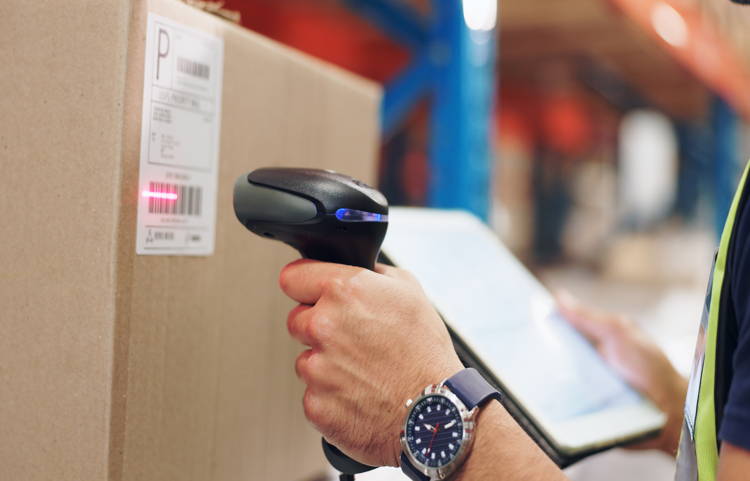
Barcodes are used by retailers, ecommerce platforms, warehouses and logistics operations to identify products and move information quickly through scanning systems.
For retail products, businesses will usually need globally recognised product identification numbers. These numbers are commonly issued through GS1 and are then represented in a suitable barcode format such as EAN-13, UPC-A, GS1-128 or ITF-14 depending on the application.
Go2Products can help with the physical barcode labels themselves, including printed sheet labels, roll labels, swing tags and labels intended for later thermal transfer overprinting.
For GS1 barcodes, obtain the appropriate company identification and product numbers through GS1 UK.
Select the barcode format that suits the sales channel, product or logistics application.
Barcodes need sufficient size, contrast and quiet space around them so scanners can read them reliably.
Match the label size, material and adhesive to the product surface and environment.
Check real printed samples with the intended scanner, packaging and application before committing to a large run.
Different barcode formats are designed for different jobs. The correct choice depends on where the code will be scanned and what information needs to be represented.
Commonly used on retail products in the UK and many other markets. EAN-13 represents a 13-digit GTIN and is designed for scanning at retail point-of-sale systems.
Typical use: retail packagingA 12-digit retail barcode widely associated with products sold in the United States and Canada.
Typical use: retail productsGTIN means Global Trade Item Number. It is the identification number represented by retail and logistics barcode formats rather than a single barcode design itself.
Typical use: identifying trade itemsUseful where a barcode needs to carry additional structured information such as batch numbers, dates, serial numbers or logistics data.
Typical use: supply chain and logisticsCommonly used to identify cartons or outer cases containing trade items where the barcode is scanned within distribution and logistics environments.
Typical use: cases and shipping cartonsASIN means Amazon Standard Identification Number. It is an Amazon catalogue identifier rather than a GS1 barcode format.
Typical use: Amazon catalogue listings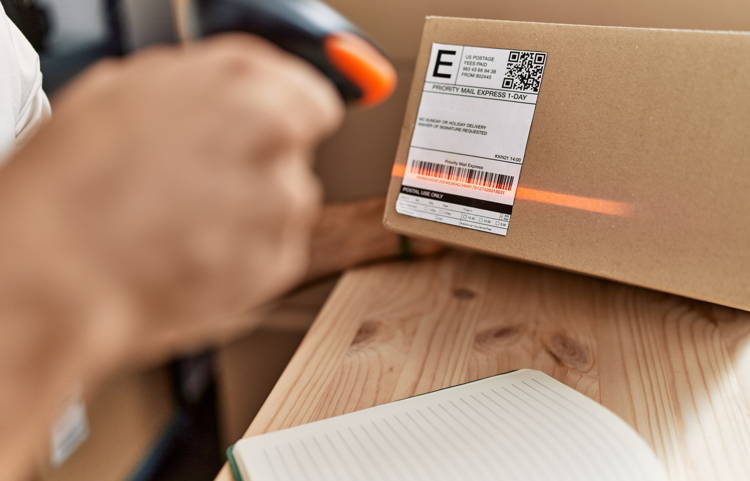
GTIN stands for Global Trade Item Number. It is a globally recognised identifier used to identify trade items such as products, packs and cases.
GTINs can have different lengths depending on the application. Common examples include GTIN-12, GTIN-13 and GTIN-14. UPC and EAN barcode symbols can be used to represent certain GTIN formats.
EAN-13 is one of the most familiar retail barcode formats in the UK. It represents a 13-digit GTIN and is designed for fast scanning at retail checkouts and other product identification points.
The exact number structure is assigned according to GS1 rules. Businesses should not create random EAN numbers for products that require globally unique identification.
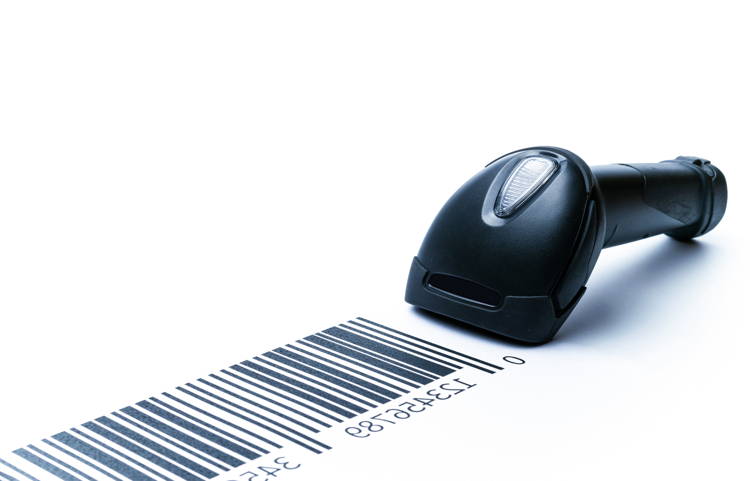
Print quality matters. Poor contrast, distortion, insufficient quiet zones or printing the code too small can make an otherwise valid barcode difficult to scan.
Amazon uses product identifiers to help match listings to products in its catalogue. Depending on the product, brand and category, sellers may be asked for identifiers such as GTINs represented by EAN or UPC barcodes. Amazon then uses its own ASIN identifier within the marketplace.
Dark bars on a light background generally provide the strongest scanner contrast.
Leave clear space around the code. Artwork or text too close to the barcode can affect scanning.
Avoid squeezing or distorting the barcode to force it into unsuitable artwork.
Very curved, reflective or textured surfaces can influence scan performance and label placement.
Use a printing method capable of producing sharp, consistent bars and clear human-readable numbers.
Where barcode performance is critical, test the finished printed label in the real application.
Once you have the correct barcode data, we can help turn it into a practical label or tag for your product, packaging or logistics process.
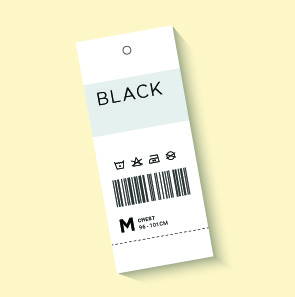
Printed tags for products, retail identification and variable barcode applications.
View swing tags
Custom printed barcode labels supplied on rolls for manual or machine application.
Request a quote
Custom printed QR and barcode labels for products, packaging, promotions and information.
View QR code stickersSend us your barcode data, label size, quantity and application. We can help with printed barcode labels, roll labels, sheet labels, tags and variable-data projects.
EAN-13 is commonly used for retail products in the UK. The barcode normally represents a GTIN issued within the GS1 system. Requirements can vary by retailer and product, so check the requirements of your sales channel.
A GTIN is the identification number assigned to a trade item. A barcode such as EAN-13 or UPC-A is a machine-readable way of representing an identification number.
EAN-13 is a retail barcode format representing a 13-digit GTIN. It is widely used for product identification and point-of-sale scanning in the UK and internationally.
Amazon commonly uses recognised product identifiers such as GTINs for catalogue listings, although requirements vary by category, brand and listing type. Check the current Amazon requirements for your specific product.
ASIN stands for Amazon Standard Identification Number. It is Amazon's own catalogue identifier and is separate from barcode formats such as EAN or UPC.
GS1-128 can encode structured information such as batch numbers, dates, serial numbers and other supply-chain data using GS1 Application Identifiers.
ITF-14 is commonly used for outer cases and cartons within warehousing and logistics rather than for scanning an individual retail item at a checkout.
Yes. We can produce custom printed barcode labels, roll labels, sheet labels, QR code labels and swing tags. We can also help with variable and sequential data projects.
Yes. Variable-data printing can be used where each label needs a different barcode, serial number, code or other changing information. Send us the data and requirements for a quote.
Talk to Go2Products about barcode roll labels, sheet labels, swing tags, QR codes and variable-data printing.